Marine life is full of variety and colour, talking both from the biological perspective as well as from a seaman’s view. But there are deadly predators in both these contexts, and pirates are one of them.
Introduction
The history of shipping piracy is nearly as old as the history of navigation , and this should not come as a surprise for wherever there is nectar, bees will automatically come. All types of ships are certainly full of nectar in the form of precious cargoes, cash, costly equipment and personnel which could be held for ransom in return for cash or kind.
Piracy in the Gulf of Aden
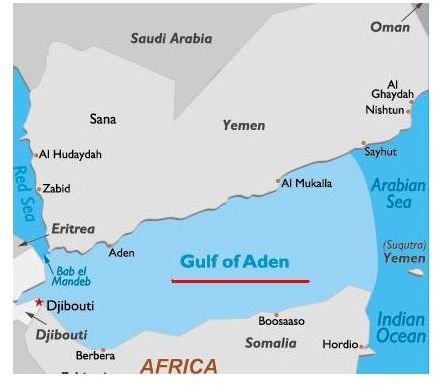
If the name “Pirates of the Caribbean” sounds more familiar it is because of the popular movie series and the equally popular Walt Disney franchisee. In the recent times pirate activities have been concentrated in several regions such as the Malacca Straits and the coastal regions of Nigeria. But of late pirates have been busy in the Gulf of Aden and at the time of writing this article (towards the end of 2008) pirates have already nearing the one hundred mark of attacking merchant ships and nearly three dozen hijackings. You can see the map below which shows the Gulf of Aden (underlined with a bold red line). One recent incident of shipping piracy involved the ship M/T Stolt Valor where pirates freed the hostages after taking a huge ransom and keeping them in custody for weeks together.
Reasons for Shipping Piracy
The reasons for shipping piracy are not much different from any other sort of stealing or theft. It is a lucrative temptation for the pirates since they can get lots of valuable on board ships which are sailing with a relatively small complement (number of crew) in the midst of oceans. Normally pirates operate beyond the territorial waters of any particular nation and if it happens in such regions it is mostly in under-developed regions having unstable or weak governance and poverty. The Gulf of Aden we are talking about is also along the coast of Somalia which is having a pretty bad state of affairs in terms of efficient governance. The pirates of also tend to utilize the popular trade routes as their attack routes since large number of ships go that way
One factor which is giving sleepless nights to the authorities across the globe is the increasing trend of holding ships for ransom for long periods of time and asking for huge sums of money from the respective companies or governments in return. This is certainly more profitable from the pirate point of view, since the ransom could be worth millions as compared the relatively small value of cash or equipment on board which the pirates can take along with them.
Prevention of Shipping Piracy
There are several agreements, rules and regulations which govern shipping piracy even if it takes place beyond the jurisdiction of any nation state. If the naval vessel of any nation gets hold of a pirate vessel, they are free to take control of that vessel and apply their local regulations to the members of the pirate vessel. As to the question whether piracy will totally disappear from the sea, I would only like to ask a counter question in return – will there be a time when theft, stealing and robberies will totally disappear from land? If you know the answer to the latter, then you should surely be optimistic about the former as well.