Thermal expansion is a fundamental concept in engineering that affects the design, maintenance, and safety of structures and mechanical systems in everyday applications.
Understanding Thermal Expansion
Thermal expansion is the tendency of materials to change in size, area, or volume when their temperature changes. Most materials expand when heated and contract when cooled due to increased molecular vibration. This physical property is crucial in engineering because it influences how components fit and function together under varying temperature conditions. Ignoring thermal expansion can lead to misalignment, structural damage, or system failure.
Types of Thermal Expansion
There are three primary types of thermal expansion relevant in engineering:
- Linear expansion: Change in one dimension (length).
- Area expansion: Change in surface area.
- Volumetric expansion: Change in volume, common in fluids and solids.
For example, a steel railway track expands linearly along its length, while a metal plate expands in area. Understanding which type applies helps engineers design appropriate joints and clearances.
Practical Examples in Everyday Engineering
Bridges and Expansion Joints
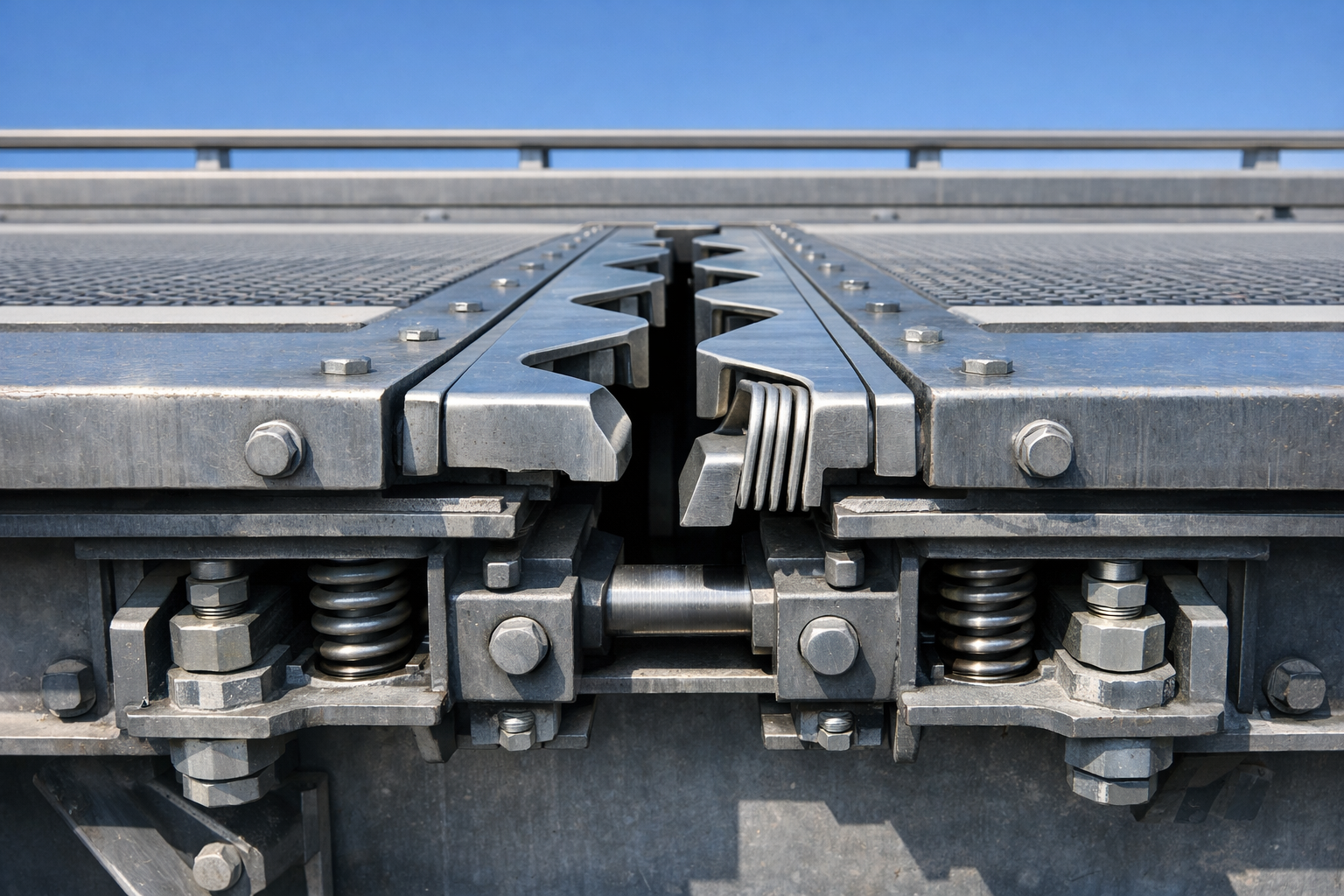
Bridges are classic examples where thermal expansion is a critical design factor. Steel and concrete expand during hot weather, sometimes by several inches over long spans. Expansion joints are installed to absorb this movement and prevent cracking or buckling. Without these joints, the bridge could suffer severe structural damage or become unsafe.
Piping Systems
In HVAC and plumbing systems, pipes carry fluids at varying temperatures. Metal pipes expand and contract, which can cause stress on joints and supports. Engineers use flexible connectors, expansion loops, or bellows to accommodate these movements. Proper accommodation prevents leaks and pipe failures.
Electronics and Circuit Boards
Thermal expansion also affects electronics, where different materials (like silicon chips and circuit boards) expand at different rates. This mismatch can cause solder joints to crack or components to shift, affecting device reliability. Designers use materials with compatible thermal expansion coefficients or include flexible mounting to mitigate damage.
Material-Specific Considerations
Different materials have different coefficients of thermal expansion (CTE), which quantify how much they expand per degree of temperature change. Metals like aluminum have a higher CTE than steel, meaning aluminum expands more for the same temperature change. Concrete has a relatively low CTE but can still crack if restrained.
For example, engineers designing a composite structure must consider the differential expansion of each material to avoid internal stresses. In aerospace, selecting materials with matching CTEs ensures structural integrity under temperature extremes.
Measuring and Calculating Expansion
The basic formula for linear expansion is:
[ \Delta L = \alpha L_0 \Delta T ]
Where:
- ( \Delta L ) is the change in length
- ( \alpha ) is the material’s coefficient of linear expansion
- ( L_0 ) is the original length
- ( \Delta T ) is the temperature change
This formula allows engineers to estimate the expected expansion and design accordingly. For example, a 10-meter steel beam (with ( \alpha \approx 12 \times 10^{-6} / ^\circ C )) heated by 30C will expand about 3.6 mm.
Design Strategies to Manage Thermal Expansion
Engineers use several approaches to accommodate thermal expansion:
- Expansion joints and gaps: Allow movement between components.
- Flexible materials and connectors: Absorb differential expansion.
- Material selection: Using materials with low or matched CTEs.
- Pre-stressing or controlled constraints: To balance thermal stresses.
For example, in HVAC ductwork, flexible connectors prevent noise and vibration caused by expansion. In building construction, control joints in concrete slabs prevent random cracking.
Maintenance and Inspection Implications
Thermal expansion can cause wear or failure over time if not properly accounted for. Regular inspection of expansion joints, pipe supports, and flexible connectors is essential to identify signs of fatigue or damage. In electrical systems, thermal cycling can degrade solder joints, requiring periodic testing.
Maintenance teams should also monitor environmental conditions and operational temperatures to anticipate expansion-related issues. Documentation from manufacturers and adherence to local codes are critical for safe maintenance.
Safety Considerations
Ignoring thermal expansion can lead to catastrophic failures, such as ruptured pipes, cracked foundations, or collapsed structures. It is essential to consult qualified engineers and follow relevant standards when designing and maintaining systems exposed to temperature variations.
For example, marine engineers must consider thermal expansion in ship hulls and piping systems exposed to extreme temperature changes. Similarly, HVAC engineers must ensure ductwork accommodates expansion to prevent leaks or noise.
Final Thoughts
Thermal expansion is a fundamental concept that permeates many engineering disciplines. Understanding how materials respond to temperature changes enables engineers to design safer, more reliable, and longer-lasting systems. Whether working with bridges, mechanical components, electronics, or building materials, accounting for thermal expansion is essential to prevent damage and maintain performance.
By applying proper design strategies, conducting regular maintenance, and consulting with professionals, engineers can effectively manage thermal expansion challenges in everyday applications.