This article explains how to estimate critical electrical loads for a small solar backup system to ensure reliable power during outages and optimize system design.
Understanding the Purpose of a Solar Backup System
A small solar backup system is designed to provide power during outages or in off-grid situations by storing energy generated from solar panels. The primary goal is to supply electricity to critical loads-devices or appliances necessary for safety, comfort, or essential functions. Properly estimating these critical loads is fundamental to designing a system that meets your needs without oversizing or undersizing components.
Identifying Critical Loads
Start by listing all devices and appliances you want to power during an outage. Common critical loads include refrigerators, LED lighting, communication devices, medical equipment, and sometimes small kitchen appliances. It is important to be selective because the capacity of a small solar backup system is limited compared to the main power grid.
Once you have the list, gather each device’s power rating, usually found on a label or in the user manual, expressed in watts (W) or amps (A). If only amperage is listed, multiply it by the device’s voltage to convert to watts (Watts = Amps Volts).
Calculating Running and Surge Loads
Electrical devices have two types of power consumption: running (continuous) load and surge (starting) load. Running load is the typical power used during operation, while surge load is the initial spike when the device starts, often higher than running power.
For example, refrigerators and pumps have surge loads that can be two to three times their running wattage. To estimate surge loads, consult manufacturer specifications or use typical multipliers: 2-3 times running watts for motors and compressors.
Document both values for each device, as the solar backup inverter and battery must handle the highest surge load.
Estimating Daily Energy Consumption
Next, estimate how long each critical load will operate during a typical outage day. Multiply the running wattage by the number of hours used to find watt-hours (Wh) or kilowatt-hours (kWh) consumed daily.
For example, a 100 W LED light used for 5 hours consumes 500 Wh (100 W 5 h). Sum all devices’ daily energy consumption to determine the total daily load your solar system must support.
This energy estimate helps size the battery bank and solar array to supply enough power and recharge capacity.
Considering Power Factor and Efficiency
Some devices, especially those with motors or electronic power supplies, have a power factor less than 1, meaning they draw more current than their wattage suggests. When estimating loads, it is safer to add a margin of 10-20% to account for inefficiencies and power factor variations.
Additionally, consider inverter efficiency, typically 85-95%. The inverter converts DC battery power to AC for household devices, and some energy is lost during this process. Multiply total wattage by 1.1 to 1.2 to include these losses.
Selecting Battery Capacity
Battery capacity is measured in ampere-hours (Ah) at a specified voltage. To convert your daily energy needs (in Wh) to battery capacity, divide watt-hours by the battery voltage.
For example, if your total daily load is 1200 Wh and you use a 12 V battery system, the required capacity is 1200 Wh 12 V = 100 Ah.
However, to prolong battery life, avoid discharging lead-acid batteries below 50%. Therefore, double the capacity to 200 Ah. For lithium batteries, deeper discharges (up to 80-90%) are possible, so adjust accordingly.
Factoring in Solar Panel Output
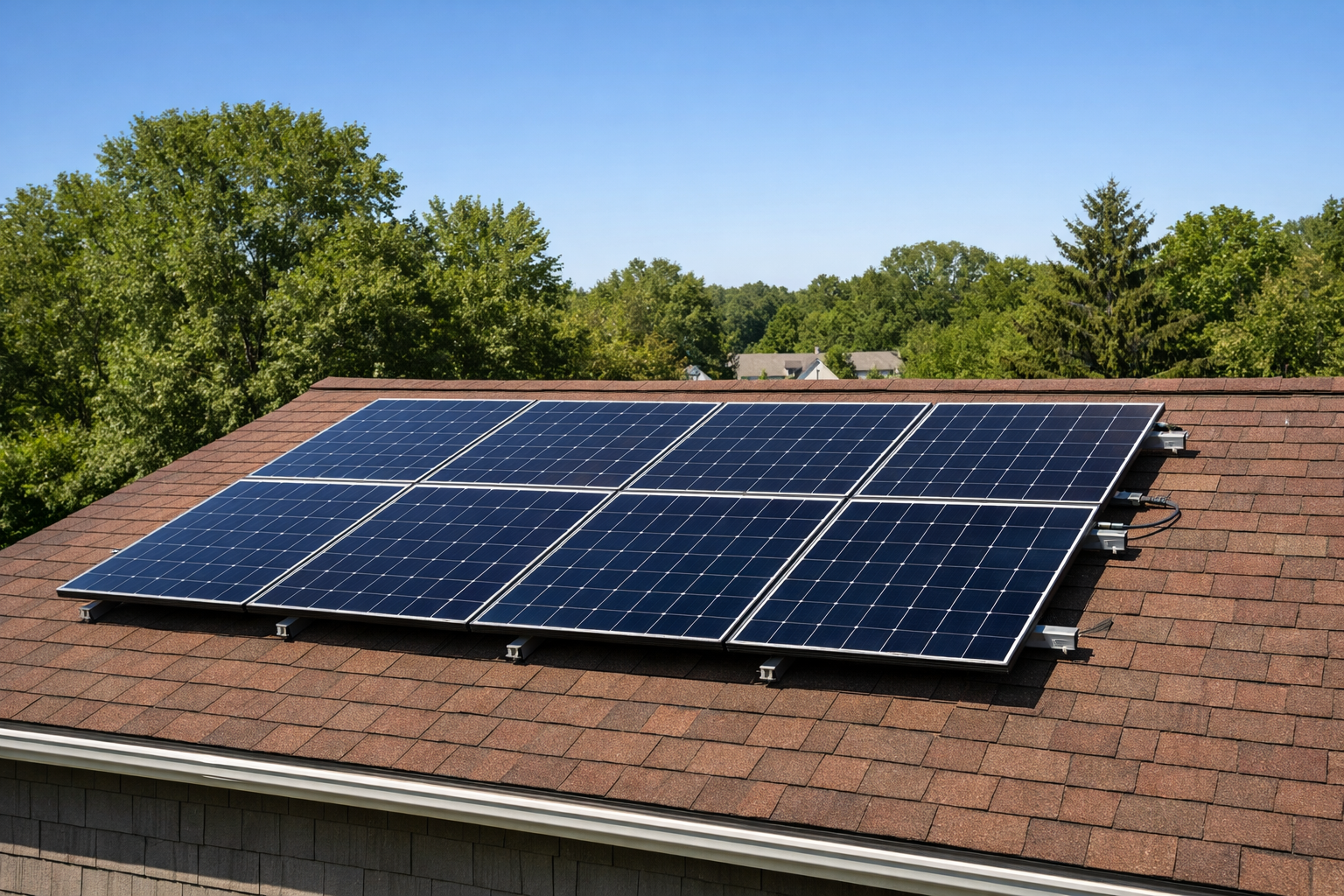
Solar panel output depends on location, sunlight hours, panel rating, and system losses. Use average peak sun hours for your region to estimate daily energy generation.
For example, if you receive 5 peak sun hours daily and use 200 W panels, each panel generates about 1000 Wh per day (200 W 5 h). Divide your daily load by panel output to find the number of panels needed.
Include a margin of 20-30% to compensate for shading, dirt, temperature effects, and aging.
Safety and Code Compliance
Always consult with qualified solar installers or electrical engineers to verify your load calculations and system design. Local electrical codes and regulations may dictate sizing, grounding, and installation requirements. Use manufacturer datasheets and follow safety guidelines strictly.
Conclusion
Estimating critical loads for a small solar backup system involves carefully identifying essential devices, calculating running and surge power, estimating daily energy consumption, and applying factors for efficiency and safety. This process ensures that the solar system is properly sized to provide reliable power during outages without unnecessary oversizing. Adequate battery capacity and appropriately rated solar panels complete the design, while professional guidance helps ensure safety and code compliance.