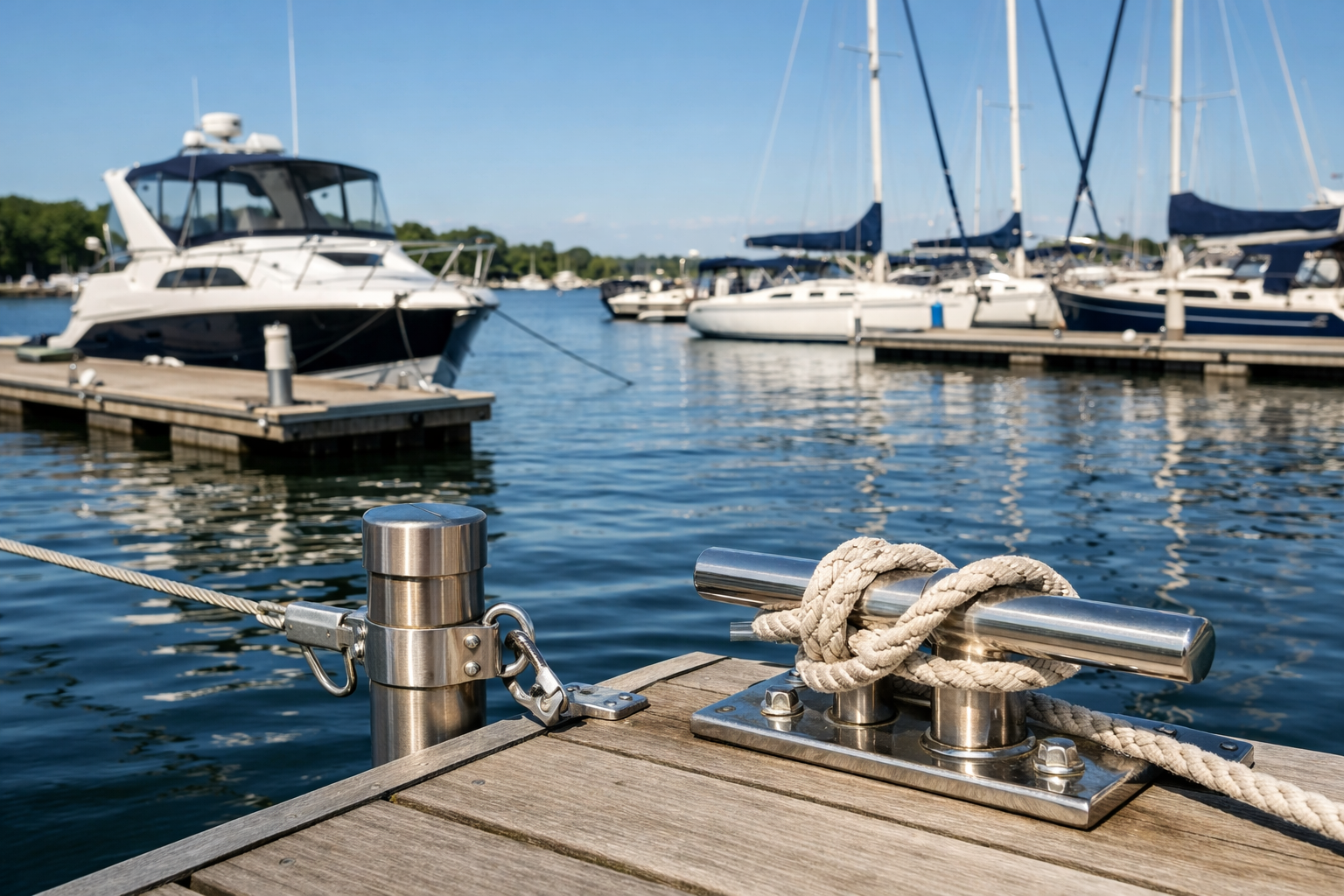
Understanding marine corrosion is essential for protecting boats, docks, and hardware from damage caused by saltwater exposure and electrochemical reactions in marine environments.
What is Marine Corrosion?
Marine corrosion refers to the deterioration of metal components exposed to seawater or marine environments. This process occurs primarily through electrochemical reactions where metals lose electrons and form oxides or other compounds. Saltwater acts as an electrolyte, accelerating these reactions compared to freshwater. Corrosion can affect boats, docks, underwater hardware, and any metal structure in contact with seawater or humid, salty air.
Common Types of Marine Corrosion
Several types of corrosion are particularly relevant to marine settings:
- Uniform Corrosion: Even metal loss across a surface, often seen on unprotected steel hulls.
- Galvanic Corrosion: Occurs when two dissimilar metals are electrically connected in seawater, causing the more anodic metal to corrode faster.
- Pitting Corrosion: Localized corrosion creating small holes or pits, common in stainless steel exposed to chlorides.
- Crevice Corrosion: Happens in shielded areas like joints or under deposits where oxygen is limited.
- Erosion Corrosion: Accelerated corrosion due to fluid movement removing protective layers.
Understanding these types helps in selecting materials and protective strategies for marine applications.
Why Saltwater Accelerates Corrosion
Saltwater contains dissolved salts, primarily sodium chloride, which dissociate into ions that facilitate electrochemical reactions. These ions increase the water’s conductivity, allowing electrons to move more freely between metal surfaces and the electrolyte. The presence of oxygen, temperature, and water flow also impact corrosion rates. For example, a steel boat hull in warm, oxygen-rich seawater corrodes faster than the same hull in cold, stagnant water.
Effects of Corrosion on Boats and Hardware
Corrosion can weaken structural components, leading to safety hazards and costly repairs. Common issues include:
- Hull thinning and leaks
- Damaged propellers and shafts
- Corroded fasteners and fittings
- Electrical system failures due to corroded connections
For docks, corrosion can compromise pilings, brackets, and metal reinforcements, risking structural integrity. Hardware such as anchors, chains, and winches also degrade, reducing reliability and lifespan.
Material Choices to Combat Corrosion
Selecting appropriate materials is a primary defense against marine corrosion:
- Stainless Steel: Offers good corrosion resistance, especially grades 316 and 304, but can suffer pitting in harsh conditions.
- Aluminum Alloys: Lightweight and corrosion-resistant but vulnerable to galvanic corrosion when coupled with other metals.
- Bronze and Brass: Common in marine hardware due to durability and resistance to saltwater.
- Galvanized Steel: Steel coated with zinc to provide sacrificial protection but requires regular inspection.
Using compatible metals together and avoiding direct contact between dissimilar metals can reduce galvanic corrosion risks.
Corrosion Control Techniques
Several practical methods help control corrosion in marine environments:
- Protective Coatings: Paints, epoxies, and specialized marine coatings create barriers preventing seawater contact. Regular maintenance is necessary to repair damage.
- Cathodic Protection: Sacrificial anodes made of zinc, aluminum, or magnesium are attached to metal parts. These anodes corrode preferentially, protecting the main structure. Impressed current systems use an external power source to provide protection.
- Design Considerations: Avoiding crevices, ensuring good drainage, and allowing access for inspection reduce corrosion hotspots.
Maintenance and Inspection Practices
Routine inspection is vital for early detection of corrosion. Visual checks should look for rust, pitting, blistering paint, or loose fittings. Cleaning surfaces to remove salt deposits and marine growth prevents accelerated corrosion. Replacing sacrificial anodes before they are fully consumed maintains effective cathodic protection. For electrical components, using marine-grade connectors and dielectric grease helps prevent corrosion-related failures.
When to Consult Professionals
Corrosion in marine environments can present complex challenges. For critical structural repairs, electrical system work, or design modifications, consulting qualified marine engineers or corrosion specialists is recommended. Additionally, compliance with local regulations and standards ensures safety and longevity. Manufacturer guidelines for coatings, anodes, and materials should always be followed.
Practical Example: Protecting a Steel Boat Hull
Consider a steel sailboat regularly docked in saltwater. To protect the hull, the owner applies a high-quality marine epoxy coating and installs zinc sacrificial anodes on the keel and rudder. The boat is hauled every year for inspection and maintenance. During haul-out, areas of coating damage are repaired, and anodes are replaced as needed. Electrical connections are checked and treated with corrosion inhibitors. This multi-layered approach significantly extends the hull’s service life and reduces unexpected repairs.
Understanding marine corrosion and employing appropriate preventive measures are essential for maintaining the safety and functionality of boats, docks, and marine hardware. Regular maintenance, material selection, and professional guidance form the foundation of effective corrosion control in marine engineering.