Selecting the right fasteners for small mechanical assemblies involves understanding load requirements, material compatibility, and environmental factors to ensure reliable and durable connections.
Understanding the Role of Fasteners in Small Mechanical Assemblies
Fasteners are critical components that hold parts together in mechanical assemblies. In small mechanical systems, choosing the right fasteners ensures structural integrity, ease of maintenance, and longevity. Improper fastener selection can lead to premature failure, increased downtime, or unsafe conditions.
Types of Fasteners Commonly Used
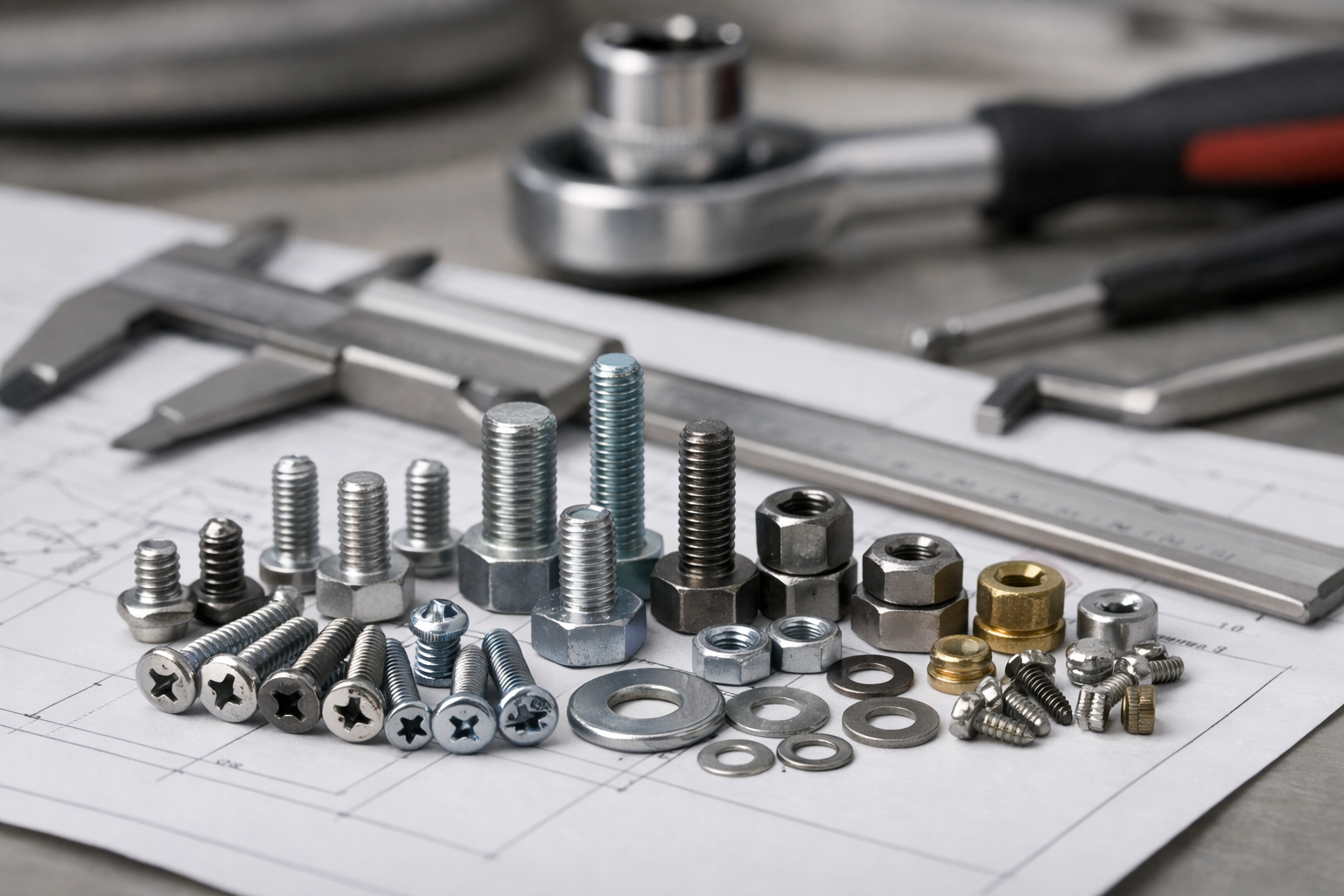
For small mechanical assemblies, the most common fasteners include screws, bolts, nuts, washers, rivets, and pins. Each type serves specific purposes:
- Screws: Threaded fasteners used for joining materials with or without nuts.
- Bolts and Nuts: Bolts pass through components and are secured with nuts.
- Washers: Distribute load and prevent damage to surfaces.
- Rivets: Provide permanent fastening.
- Pins: Allow for alignment or pivoting.
Understanding these basics helps narrow down choices based on assembly requirements.
Assessing Load and Stress Requirements
One of the first considerations is the type of load the fastener must withstand. Loads can be tensile (pulling apart), shear (sliding forces), or a combination. For example, a small robotic arm joint may experience shear loads where bolts must resist sliding forces between parts. In contrast, a clamping mechanism might impose tensile loads requiring fasteners with high tensile strength.
Choosing fasteners with appropriate strength ratings (such as Grade 5 or Grade 8 bolts) based on expected loads is essential. Over-specifying fasteners can add unnecessary cost and weight, while under-specifying can cause failure.
Material Compatibility and Corrosion Resistance
Fastener material must be compatible with the materials of the parts being joined to avoid galvanic corrosion. For instance, using stainless steel fasteners with aluminum components in humid environments can cause corrosion over time.
Common fastener materials include:
- Steel: Strong and economical, often coated for corrosion resistance.
- Stainless Steel: Corrosion-resistant, ideal for outdoor or humid conditions.
- Brass: Good for electrical conductivity and corrosion resistance but lower strength.
- Nylon or Plastic: Used where electrical insulation or vibration damping is needed.
Selecting the right material extends assembly life and reduces maintenance.
Fastener Size and Thread Considerations
Proper fastener size affects assembly strength and ease of installation. Thread size and pitch should match tapped holes or nuts precisely. For small assemblies, metric or Unified Thread Standard (UTS) sizes such as M3, M4, or #6-32 screws are common.
Coarse threads are better for quick assembly and softer materials, while fine threads provide better tension control and resistance to vibration loosening. For example, fine-thread screws might be preferred in precision instruments where vibration is a concern.
Environmental and Operating Conditions
Environmental factors such as temperature, humidity, exposure to chemicals, and vibration influence fastener choice. For example, assemblies exposed to saltwater require fasteners with high corrosion resistance like marine-grade stainless steel or coated fasteners.
If the assembly operates at elevated temperatures, fasteners made from materials such as Inconel or titanium may be necessary to maintain strength and prevent degradation.
Fastener Head Styles and Drive Types
The head style affects both the assembly process and the finished product’s accessibility. Common head types for small assemblies include pan head, flat head, socket head cap screws, and button head screws.
Drive types such as Phillips, slotted, Torx, or hex affect tool compatibility and the potential for cam-out during installation. Torx and hex drives are often preferred in precision assemblies for better torque control and reduced stripping risk.
Using Washers and Locking Mechanisms
Washers distribute the load and protect surfaces from damage. For small assemblies, using flat washers can prevent embedding of the fastener head into softer materials.
Locking mechanisms such as lock washers, nylon-insert nuts, or thread-locking compounds help prevent fastener loosening due to vibration or thermal cycling. For example, a small motor mount subject to vibration should incorporate locking features to maintain tightness.
Practical Example: Fastener Selection for a Small Gearbox
Consider a small gearbox assembly made of aluminum housing with steel gears inside. The fasteners must hold the housing halves together securely while resisting vibration and occasional thermal expansion.
- Material: Use stainless steel screws to prevent corrosion and ensure strength.
- Size: M4 screws with fine threads for precise tension control.
- Head Style: Socket head cap screws for compactness and torque application.
- Locking: Apply a medium-strength thread-locking compound to prevent loosening.
- Washers: Flat washers to protect the aluminum surface.
This combination balances reliability, ease of assembly, and durability.
Maintenance and Inspection Considerations
Choosing fasteners that allow for easy inspection and maintenance is important. For assemblies requiring periodic disassembly, avoid permanent fasteners like rivets. Instead, use screws or bolts with accessible heads.
Documenting torque specifications and using calibrated tools during assembly ensures consistent fastening. Regular inspection for signs of corrosion, loosening, or wear can prevent unexpected failures.
Summary
Selecting fasteners for small mechanical assemblies requires a comprehensive approach considering load types, material compatibility, environmental conditions, and maintenance needs. By carefully evaluating these factors and applying practical examples, engineers can ensure strong, durable, and safe assemblies.
Always consult relevant standards and manufacturer data sheets when selecting fasteners for critical applications.