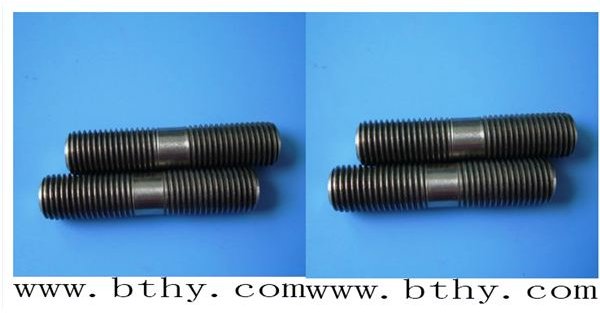
Understanding bolt preload is essential for securing small mechanical assemblies, ensuring joint integrity, and preventing common fastening failures in practical engineering applications.
What Is Bolt Preload and Why It Matters
Bolt preload refers to the tension applied to a bolt when it is tightened during assembly. This tension creates a clamping force that holds components together securely. Without proper preload, bolts can loosen under vibration or dynamic loads, leading to joint failure or damage. In small mechanical assemblies, where space and material constraints are common, achieving correct preload is critical for maintaining reliability and performance.
When a bolt is tightened, it stretches slightly like a spring. This stretch generates a force that clamps the joint members together. If the preload is too low, the joint may separate under load or vibrate loose. If too high, the bolt or connected parts can be damaged by excessive stress or even fracture. Understanding preload helps engineers select the right bolt size, grade, and tightening method for their specific application.
Key Factors Influencing Bolt Preload
Several factors affect the preload achieved in a bolted joint, including:
- Bolt material and grade: Stronger materials allow higher preload but require careful torque control.
- Thread condition: Clean, lubricated threads reduce friction and improve preload accuracy.
- Clamped materials: Softer materials deform more, affecting how preload translates to clamping force.
- Assembly method: Torque wrench, angle tightening, or tensioning tools influence preload consistency.
For example, stainless steel bolts often need lubrication to achieve consistent preload due to higher friction compared to carbon steel bolts. In small assemblies, precise control is necessary since even minor preload variations can significantly impact performance.
Calculating Preload: Basic Concepts
Preload can be estimated using torque-tension relationships. The common formula is:
[ T = K \times F \times d ]
where:
- T is the applied torque,
- K is the torque coefficient (accounts for thread friction and bearing surface friction),
- F is the preload (clamping force),
- d is the nominal bolt diameter.
For example, for a 1/4-inch diameter bolt with a torque coefficient of 0.2, applying 10 in-lbs of torque produces approximately 200 pounds of preload. However, this is an estimate; actual preload depends heavily on friction conditions.
More precise methods include direct tension measurement with load cells or ultrasonic bolt stretch measurement, but these are less common in small-scale or budget-conscious projects.
Common Preload Problems and Their Effects
Insufficient preload can cause joint separation, fretting corrosion, or fatigue failure. Over-tightening can lead to bolt yielding, thread stripping, or damage to the clamped parts.
For example, in a small motor housing assembly, too little preload may cause the housing to vibrate loose, while too much preload could crack the aluminum housing or permanently deform the bolt. Understanding the material limits and following manufacturer torque specs helps prevent these issues.
Repeated assembly and disassembly can also affect preload. Threads may wear or gall, altering friction and preload consistency. Using appropriate lubricants and inspecting fasteners regularly can mitigate these effects.
Practical Tips for Achieving Correct Preload
- Use calibrated torque tools: Ensure torque wrenches are regularly calibrated for accuracy.
- Apply appropriate lubrication: A light coating of anti-seize or assembly grease can reduce friction variability.
- Follow manufacturer specifications: Use recommended torque values for the specific bolt grade and size.
- Consider bolt stretch measurement for critical assemblies: Ultrasonic tools provide direct preload data.
- Use washers where appropriate: They help distribute load and reduce bearing surface friction inconsistencies.
For instance, when assembling a small gearbox, applying the correct torque with a calibrated wrench and lubricated threads ensures the gears remain properly aligned without bolt loosening.
Selecting Bolts and Fasteners for Small Assemblies
Choosing the right bolt involves considering size, strength, and material compatibility. For small assemblies, fine-thread bolts are often preferred because they provide better preload control and resist loosening under vibration.
High-strength alloy steel bolts (e.g., Grade 8 or Class 10.9) allow higher preload but require careful torque application to avoid over-tightening. Stainless steel bolts resist corrosion but may require lubrication to achieve consistent preload.
Additionally, locking fasteners such as nylon-insert nuts or thread-locking compounds can help maintain preload in vibration-prone environments.
Real-World Example: Preloading Bolts in a Small HVAC Fan Assembly
Consider a small HVAC fan motor where bolts secure the motor housing to the frame. The bolts must maintain preload to prevent noise and vibration issues.
Using 1/4-inch Grade 5 bolts with a recommended torque of 80 in-lbs and applying a light lubricant on the threads can achieve consistent preload. Over-tightening could crack the plastic housing, while under-tightening might cause rattling.
Regular maintenance includes checking torque values and inspecting bolts for wear or corrosion to ensure ongoing reliability.
Conclusion: The Importance of Controlled Bolt Preload
Bolt preload is a fundamental aspect of mechanical design in small assemblies. Proper preload ensures joint integrity, prevents loosening, and extends the life of both fasteners and components. By understanding the principles of preload, selecting appropriate fasteners, and applying consistent assembly techniques, engineers and technicians can achieve reliable and safe mechanical connections.
While torque-based methods provide practical preload control, critical applications may benefit from advanced measurement techniques and professional consultation. Always consult manufacturer guidelines and consider environmental factors when designing and assembling bolted joints.
Incorporating sound preload practices into routine assembly and maintenance will help avoid common fastening failures and support long-term mechanical system performance.