This article explains essential stormwater drainage principles for small site improvements, focusing on practical design, common systems, and maintenance strategies to manage runoff effectively and protect local environments.
Understanding Stormwater Drainage Importance
Stormwater drainage is a critical consideration in small site improvements to prevent flooding, erosion, and water damage. When rainfall hits impervious surfaces like driveways or patios, runoff increases, potentially overwhelming natural drainage and causing property or environmental harm. Proper stormwater management helps direct runoff safely away from structures, reduces soil erosion, and protects local water quality by limiting pollutants entering waterways.
Key Components of a Drainage System
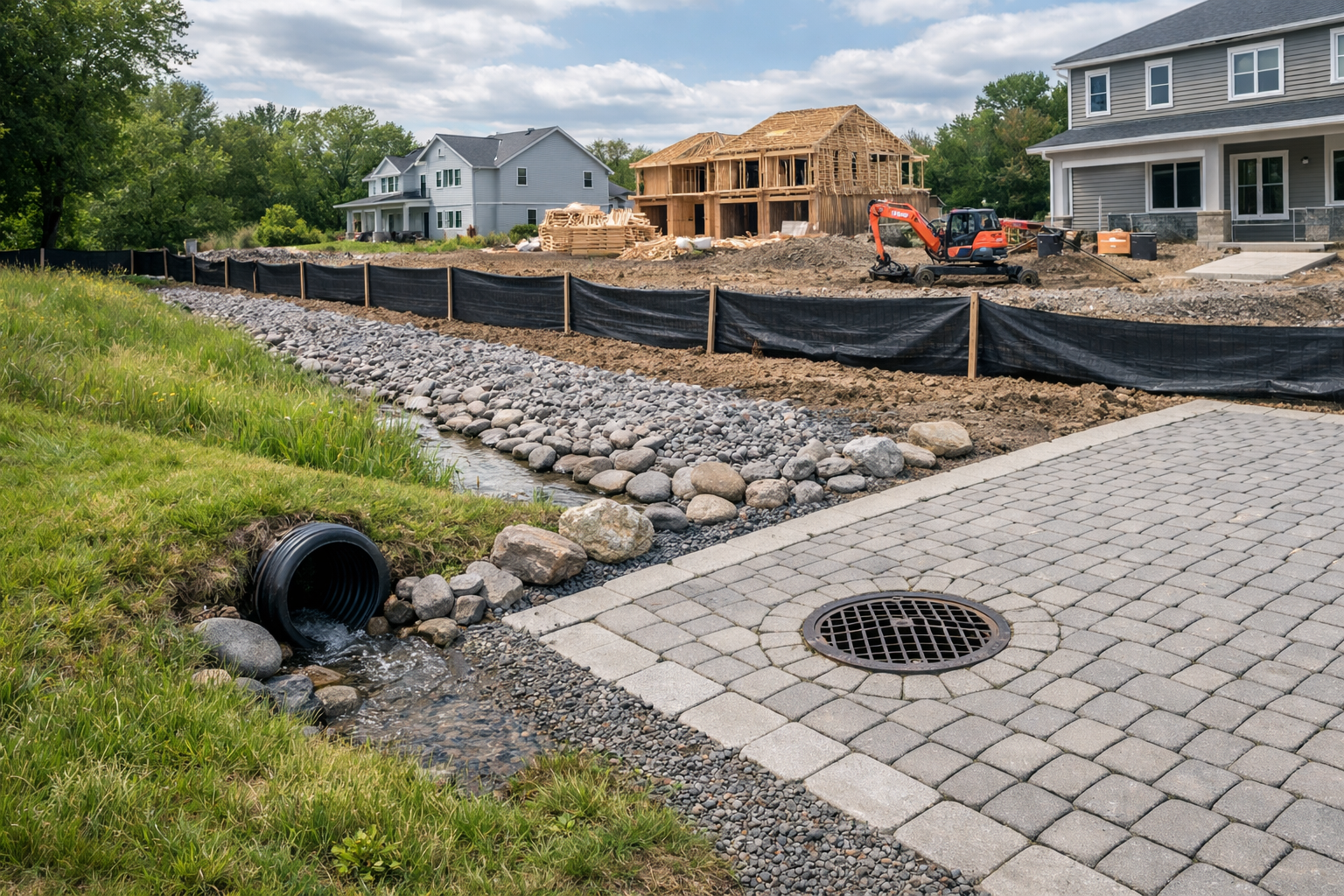
A small site drainage system typically includes catch basins, drain pipes, swales, and sometimes infiltration units. Catch basins collect surface water and debris, preventing clogging downstream. Drain pipes transport water to safe discharge points, which can be storm sewers, natural water bodies, or infiltration areas that allow water to soak into the ground. Swales are shallow, vegetated channels that slow runoff and promote infiltration.
For example, a residential site with a new driveway might install catch basins at low points, connecting them with PVC pipes to a nearby storm sewer or a rain garden designed for infiltration. This combination helps manage runoff volume and quality.
Assessing Site Conditions
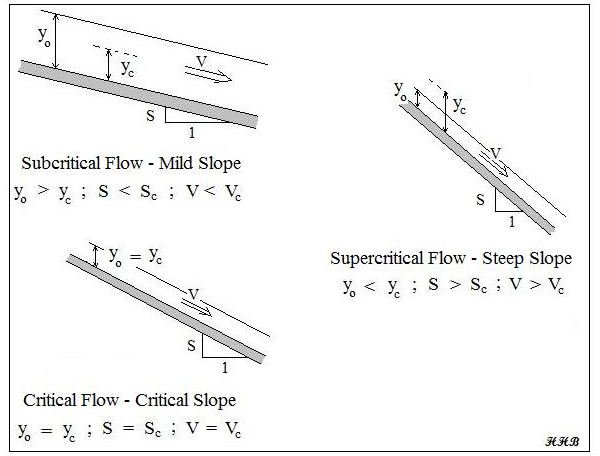
Before designing a drainage system, assess the site’s topography, soil type, and existing drainage patterns. A slope directs water flow; steeper slopes increase runoff speed and erosion risk. Soil permeability affects infiltration rates-sandy soils drain quickly, while clayey soils hold water longer. Observing where water naturally collects or flows during rain events can guide system placement.
For instance, a small commercial lot on a gentle slope with clay soil may require more engineered drainage solutions, like underground pipes and detention basins, compared to a sandy soil site where swales and infiltration trenches are more effective.
Designing Effective Drainage Solutions
Designing stormwater drainage involves calculating runoff volume and flow rates using rainfall data and site characteristics. The Rational Method is a common approach for small sites, estimating peak runoff by multiplying rainfall intensity, drainage area, and a runoff coefficient representing surface imperviousness.
Once runoff is estimated, select drainage components sized to handle expected flows. Pipes and channels should be sized to prevent surcharging or overflow. Incorporating features like gravel trenches, permeable pavements, or rain gardens can reduce runoff volume by promoting infiltration.
For example, a small office parking lot might use permeable pavers combined with an underdrain system to reduce runoff and recharge groundwater, while still maintaining structural support for vehicles.
Common Drainage Systems for Small Sites
Several practical systems are frequently used for small site improvements:
- French Drains: Perforated pipes surrounded by gravel that collect and redirect subsurface water away from structures.
- Swales: Grassed or vegetated channels that convey surface runoff while allowing infiltration.
- Dry Wells: Underground pits filled with gravel that temporarily store runoff for infiltration.
- Catch Basins and Storm Drains: Surface inlets connected to underground pipes directing water to discharge points.
Each system has advantages depending on site conditions. French drains are effective for groundwater control near foundations, while swales are low-cost and environmentally friendly for gently sloped areas.
Maintenance Practices to Ensure Performance
Regular maintenance is vital for drainage systems to function properly. Debris, sediment, and vegetation can clog pipes, catch basins, and infiltration areas, reducing capacity and causing backups.
Practical maintenance steps include:
- Inspecting catch basins and clearing debris seasonally.
- Removing sediment buildup from swales and dry wells.
- Checking pipes for blockages or damage.
- Maintaining vegetation in swales to prevent erosion but avoid overgrowth.
For example, a homeowner with a rain garden should remove accumulated leaves and mulch annually to maintain infiltration capacity.
Addressing Common Challenges
Small site drainage often faces challenges such as limited space, underground utility conflicts, and regulatory requirements. Designers must work within constraints while meeting local codes for stormwater discharge and water quality.
Space constraints can be addressed by combining multiple functions, such as using permeable pavements that serve both as a surface and infiltration system. Coordination with utility companies is essential to avoid damaging water, sewer, or electrical lines during installation.
Additionally, many jurisdictions require permits and adherence to stormwater management standards, including erosion control during construction and post-development runoff limits.
Practical Example: Residential Driveway Improvement
Consider a homeowner replacing an old asphalt driveway with permeable pavers. The site slopes gently toward the street, and the soil is moderately sandy.
The design includes:
- Permeable pavers to allow infiltration and reduce runoff volume.
- A gravel-filled trench along one edge acting as a French drain to collect excess water.
- A vegetated swale at the street edge to convey and filter runoff before it enters the storm sewer.
Maintenance involves periodic sweeping of the pavers to prevent clogging and annual inspection of the trench and swale for sediment buildup.
Final Considerations
Successful stormwater drainage for small site improvements requires understanding site-specific conditions, selecting appropriate drainage components, and committing to ongoing maintenance. While conceptual design can be approached by engineers or knowledgeable practitioners, always consult local regulations and consider engaging qualified professionals for complex or critical projects.
By thoughtfully managing stormwater, property owners and engineers can protect infrastructure, reduce environmental impact, and contribute to sustainable site development.