This article explores common HVAC airflow problems, explaining their typical causes and practical steps to identify and address them for better system performance and comfort.
Understanding HVAC Airflow and Its Importance
Proper airflow in HVAC systems is essential for maintaining indoor comfort, air quality, and energy efficiency. When airflow is compromised, it can lead to uneven temperatures, increased energy bills, and premature wear on equipment. Recognizing common airflow problems and understanding what they usually mean can help homeowners and engineers troubleshoot issues effectively.
Insufficient Airflow: Causes and Consequences
One of the most frequent airflow problems is insufficient airflow from vents or registers. This often results in rooms feeling too warm or too cold despite the HVAC system running. Common causes include clogged air filters, blocked ducts, or undersized ductwork.
For example, a dirty air filter restricts the volume of air passing through, forcing the blower fan to work harder and reducing overall airflow. Regularly replacing or cleaning air filters every 1 to 3 months depending on usage helps maintain optimal airflow.
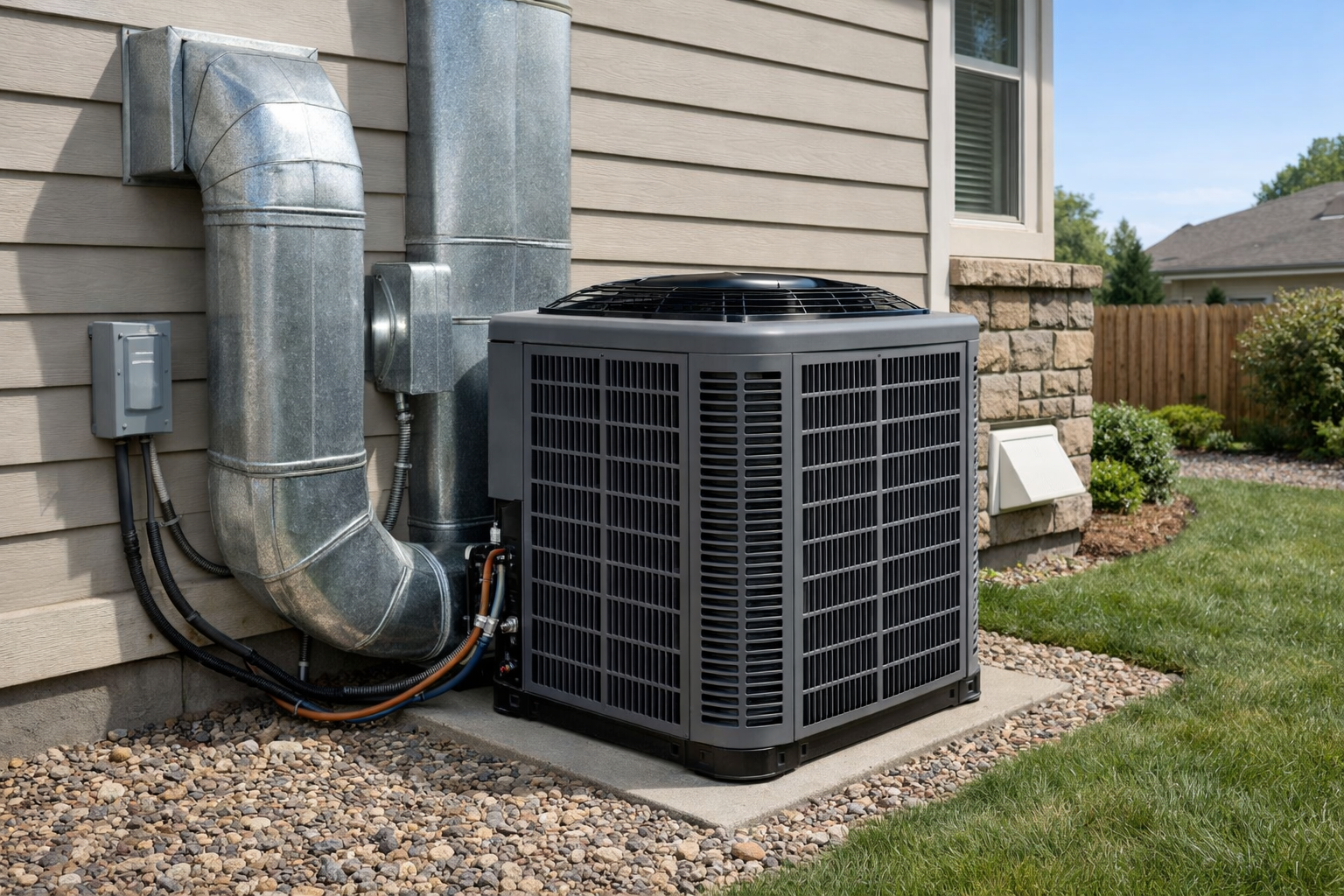
Blocked or crushed ductwork can also restrict airflow. In older buildings, ducts may have been damaged or improperly installed, causing leaks or constrictions. A visual inspection or professional duct testing can identify these issues.
Uneven Air Distribution Across Rooms
Uneven airflow causing some rooms to be hotter or colder than others is a common complaint. This often indicates problems such as closed or partially closed dampers, improperly balanced duct systems, or poorly positioned vents.
Dampers are adjustable plates inside ducts that control airflow to different branches. If a damper is accidentally closed or set incorrectly, airflow to that area decreases significantly. Adjusting dampers to balance airflow can resolve temperature differences.
Additionally, vent placement affects airflow. For example, vents blocked by furniture or curtains reduce air delivery to a room. Ensuring vents are unobstructed can improve comfort.
Strange Noises Indicating Airflow Issues
Unusual sounds like whistling, rattling, or banging can signal airflow problems. Whistling noises often come from leaks or gaps in duct joints where air escapes at high velocity.
Rattling noises may result from loose ductwork or components vibrating due to turbulent airflow. For instance, a loose vent grille can produce rattling when the fan runs.
Banging or popping sounds might indicate thermal expansion in metal ducts caused by rapid temperature changes, often exacerbated by airflow restrictions.
High Energy Bills Linked to Airflow Problems
When airflow is compromised, HVAC systems must work harder to maintain set temperatures, increasing energy consumption. For example, a clogged filter or leaky duct can cause the blower motor to run longer or at higher speeds.
A practical example is a home where the heating bill spikes during winter; upon inspection, the air filter is found to be heavily soiled, significantly restricting airflow. Replacing the filter often results in immediate improvement.
Excessive Dust and Poor Indoor Air Quality
Inadequate airflow can contribute to dust accumulation and poor indoor air quality. When airflow is weak, airborne particles settle more easily, and ventilation rates may be insufficient to dilute indoor pollutants.
Leaky ducts pulling in dust from attics or crawl spaces can worsen air quality. Sealing duct leaks and ensuring proper filtration helps mitigate this issue.
Hot or Cold Spots Near Registers
If a vent delivers air that feels unusually warm or cold regardless of system settings, it may indicate duct insulation problems or blocked airflow paths.
For instance, ducts running through unconditioned spaces like attics without proper insulation can lose or gain heat, causing the air at the register to be less effective. Adding insulation to these ducts can improve temperature consistency.
Reduced Airflow After HVAC System Upgrades
Sometimes, after upgrading HVAC components like installing a new furnace or air conditioner, airflow issues arise due to mismatched system parts or improper duct sizing.
An example is replacing an older furnace with a more powerful model without adjusting duct sizes or blower settings, which can cause excessive noise and uneven airflow. Consulting with HVAC professionals to evaluate system compatibility is critical.
Practical Steps for Diagnosing Airflow Problems
- Inspect and replace air filters regularly.
- Check vents and registers for obstructions.
- Examine ductwork for visible damage or leaks.
- Adjust dampers to balance airflow across rooms.
- Schedule professional duct leakage and airflow testing.
Safety and Professional Assistance
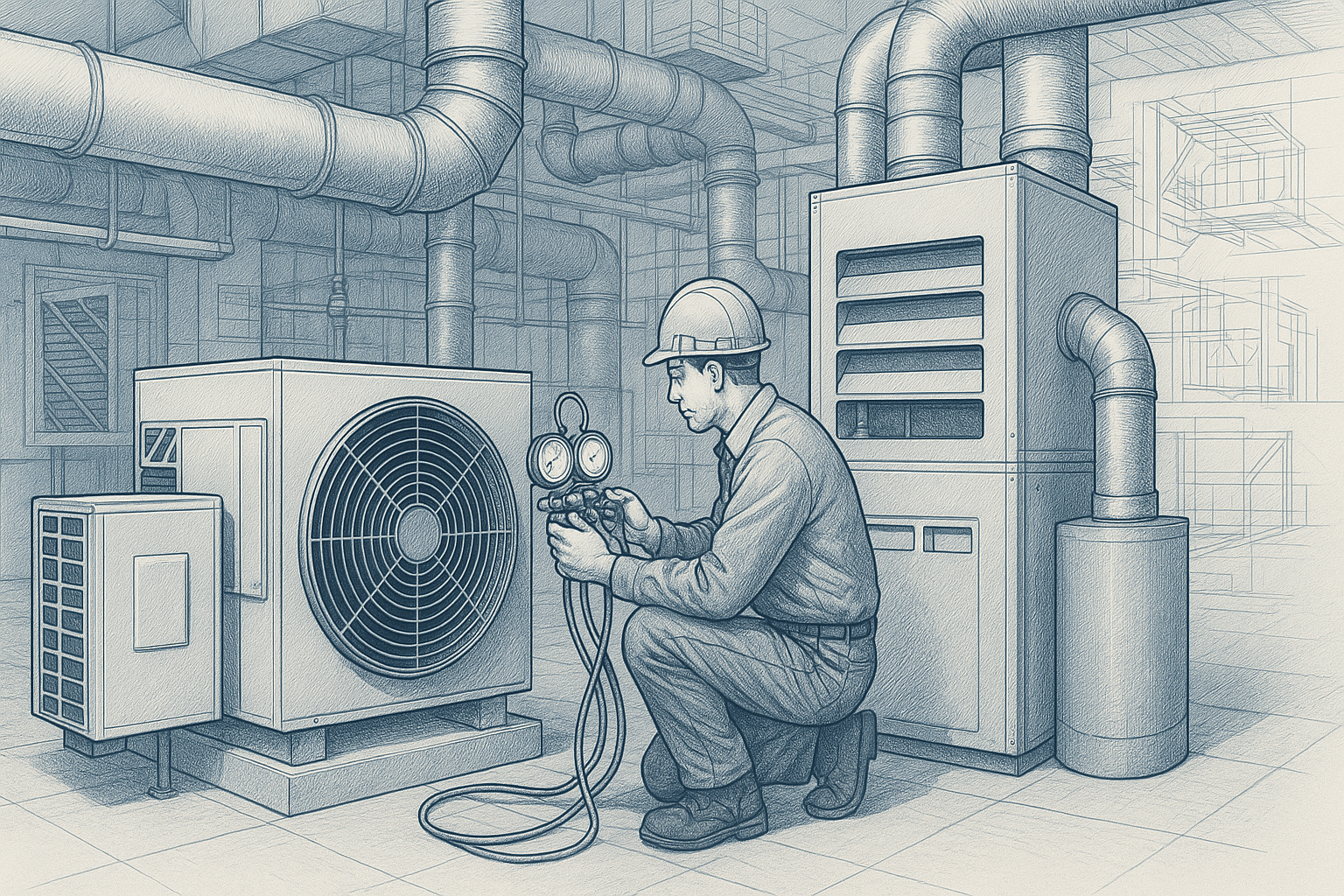
While many airflow issues can be identified visually or with simple tools, HVAC systems involve electrical components and refrigerants requiring qualified professionals for repairs and adjustments. Always follow local codes and manufacturer guidelines when addressing airflow problems.
Conclusion
Common HVAC airflow problems usually stem from simple causes like dirty filters, duct leaks, or improper balancing. Understanding these issues helps maintain system efficiency, improve comfort, and extend equipment lifespan. Regular maintenance and timely professional inspections are key to preventing airflow problems and ensuring a well-functioning HVAC system.