This article explains pump cavitation, its causes, effects, and prevention techniques, providing new mechanical designers with practical insights to improve pump reliability and performance.
Understanding Pump Cavitation
Pump cavitation is a common fluid mechanics phenomenon that new mechanical designers must recognize to avoid costly damage and performance issues. It occurs when the pressure inside a pump falls below the liquid’s vapor pressure, causing vapor bubbles to form. These bubbles collapse violently as they move into higher-pressure areas, resulting in noise, vibration, and physical damage to pump components.
How Cavitation Occurs in Pumps
Cavitation typically starts at the pump inlet, where pressure is lowest. If the suction pressure drops too far, the liquid begins to vaporize, forming bubbles. As these vapor bubbles travel through the pump impeller and enter regions of higher pressure, they implode. This implosion produces shock waves that can pit metal surfaces and erode the impeller and casing.
Several factors can contribute to cavitation:
- Low inlet pressure (suction head)
- High fluid temperature (which lowers vapor pressure)
- Excessive pump speed
- Improper pump selection or system design
For example, a pump drawing hot water from a tank with insufficient net positive suction head available (NPSHa) is prone to cavitation.
Recognizing Cavitation Symptoms
Mechanical designers should be able to identify cavitation symptoms during operation or testing. Common signs include:
- Loud, rattling, or knocking noises from the pump
- Excessive vibration
- Reduced flow rate or pressure output
- Fluctuating pump performance
Visual inspection may reveal pitting or erosion on the impeller and volute casing. Early detection helps prevent severe damage and unscheduled downtime.
The Role of Net Positive Suction Head (NPSH)
Understanding NPSH is critical to preventing cavitation. NPSH represents the absolute pressure at the pump suction above the liquid’s vapor pressure. There are two key terms:
- NPSH Available (NPSHa): The actual pressure energy at the pump suction, determined by system conditions.
- NPSH Required (NPSHr): The minimum pressure needed at the pump suction to avoid cavitation, specified by the pump manufacturer.
To prevent cavitation, NPSHa must always be greater than NPSHr, ideally with a safety margin. For example, if a pump’s NPSHr is 6 feet, the system should provide at least 7 to 8 feet of NPSHa.
Practical Design Strategies to Avoid Cavitation
Mechanical designers can apply several practical approaches to minimize cavitation risk:
- Increase Suction Head: Raise the liquid source level or reduce elevation differences to increase pressure at pump inlet.
- Lower Fluid Temperature: Cooling the fluid reduces vapor pressure, increasing NPSHa.
- Select Appropriate Pump: Use pumps designed for lower NPSHr or with impellers optimized for the system.
- Reduce Pump Speed: Operating at lower speeds decreases pressure drops inside the pump.
- Minimize Suction Piping Losses: Use short, straight suction lines with large diameters and avoid valves or fittings that cause pressure drops.
For instance, in an HVAC chilled water system, placing the pump closer to the chilled water source and using larger suction pipes reduces cavitation risk.
Case Example: Cavitation in a Cooling Water Pump
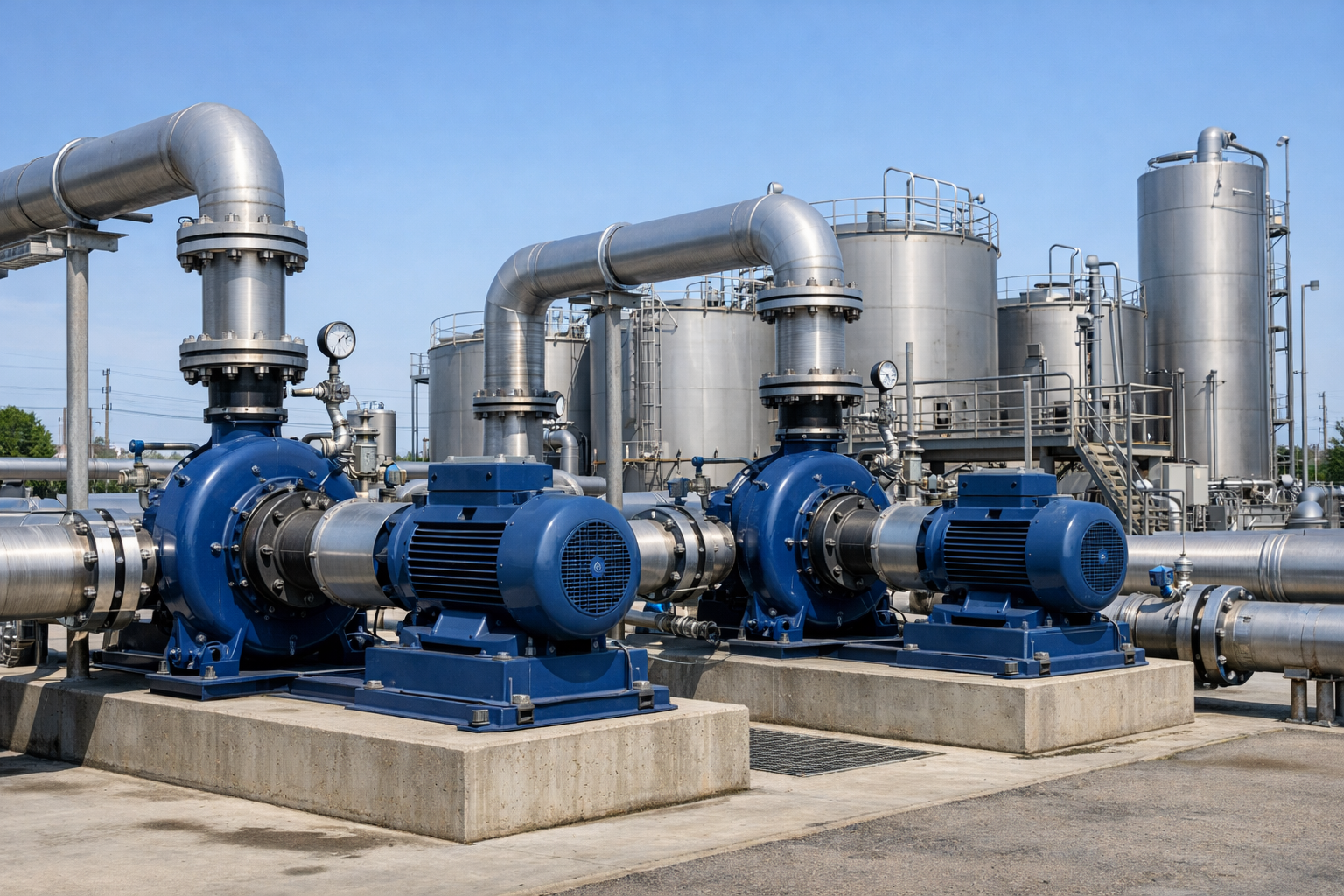
Consider a cooling water pump in a manufacturing plant. Operators noticed a knocking noise and vibration after increasing flow demand. Inspection showed pitting on the impeller surface.
Analysis revealed the pump was operating near its maximum speed, and the suction line had several elbows causing pressure losses. The fluid temperature was elevated due to process heat.
To fix the issue, engineers:
- Installed a larger suction pipe with fewer bends
- Added a suction stabilizing tank to increase NPSHa
- Reduced pump speed slightly
- Improved cooling upstream to lower fluid temperature
These changes eliminated cavitation symptoms, improving pump life and system reliability.
Maintenance and Monitoring
Regular maintenance and monitoring help catch cavitation early. Techniques include:
- Vibration analysis to detect abnormal patterns
- Acoustic monitoring for characteristic cavitation sounds
- Visual inspections during scheduled downtime
Documenting operating conditions alongside symptoms can help correlate cavitation incidents with system changes.
Summary
Pump cavitation is a critical issue that can degrade pump performance and cause mechanical damage if left unchecked. New mechanical designers should understand the causes, recognize symptoms, and implement design and operational strategies to prevent it. Key concepts like NPSH, fluid temperature, and suction piping design are essential considerations. Practical adjustments, such as optimizing suction conditions and selecting proper pumps, can significantly reduce cavitation risk.
By applying these principles and maintaining vigilant monitoring, mechanical designers can enhance system reliability and extend pump service life in a wide range of fluid handling applications.