Proper concrete curing is essential for small projects, and common mistakes like inadequate moisture retention and premature loading can significantly weaken the final structure.
Concrete curing is a critical step in any project involving concrete, whether it’s a small patio, a garden path, or a concrete slab for a shed. Proper curing ensures that the concrete reaches its intended strength and durability. Unfortunately, many small-scale projects suffer from common curing mistakes that weaken the concrete, leading to cracks, reduced lifespan, and structural problems. This article explores the most frequent curing errors and offers practical advice to avoid them.
Understanding Concrete Curing
Concrete curing is the process of maintaining adequate moisture, temperature, and time to allow the concrete to hydrate properly. Hydration is the chemical reaction between cement and water that forms the hardened matrix binding the aggregate particles. Without proper curing, this reaction is incomplete, resulting in weak, porous concrete.
Curing typically lasts several days to weeks depending on the concrete mix and environmental conditions. For small projects, the importance of curing is often underestimated, leading to shortcuts that compromise the material’s integrity.
Mistake 1: Allowing the Concrete to Dry Out Too Quickly
One of the most common errors is letting the surface dry prematurely. Concrete loses moisture rapidly in hot, windy, or dry conditions, which halts hydration and causes surface cracking.
To prevent this, keep the concrete surface moist by:
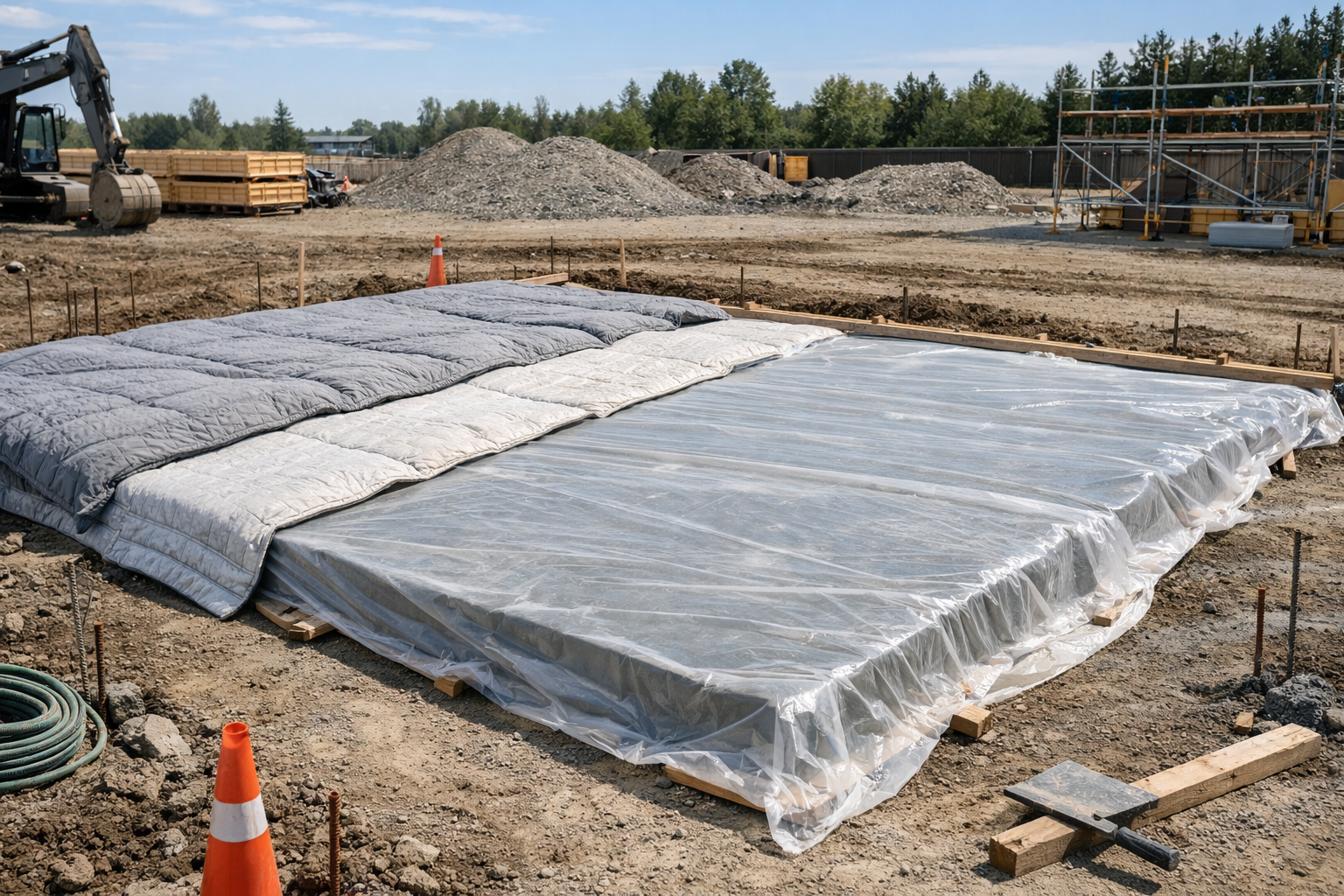
- Covering it with plastic sheeting or wet burlap
- Spraying water regularly for the first 7 days
- Using curing compounds designed to retain moisture
Neglecting this step leads to shrinkage cracks and a weak surface layer that is vulnerable to wear and weather.
Mistake 2: Curing for Too Short a Time
Some small projects are cured only for a day or two before use or loading. In reality, concrete gains strength gradually, and early removal of curing protection stops hydration prematurely.
For typical mixes, at least 7 days of moist curing is recommended. For mixes with supplementary cementitious materials like fly ash, curing times may extend to 14 or 28 days to achieve full strength.
Short curing periods can cause the concrete to be brittle and prone to damage under stress.
Mistake 3: Exposing Concrete to Extreme Temperatures
Temperature plays a significant role in curing. Cold weather slows hydration, risking incomplete curing and freeze damage if the concrete is not protected.
Conversely, very high temperatures accelerate moisture loss and can cause thermal cracking.
For small projects:
- In cold weather, use insulating blankets or heated enclosures
- In hot weather, cure in early morning or evening and keep surfaces moist
Ignoring temperature effects can severely reduce the durability of the concrete.
Mistake 4: Premature Loading or Use
Using the concrete surface too soon after pouring is a frequent mistake. Walking, placing heavy objects, or driving on the concrete before it attains sufficient strength can cause surface damage and internal microcracking.
Follow guidelines for minimum curing times before subjecting concrete to loads. Generally, light foot traffic is safe after 24-48 hours, but heavy loads should wait at least 7 days.
Mistake 5: Poor Surface Preparation Before Curing
Sometimes, the concrete surface is left rough or dusty before curing measures are applied. Dust and debris can interfere with moisture retention and curing compounds’ effectiveness.
Ensure the surface is clean and free of loose particles before starting any curing method. This helps maintain consistent moisture conditions and prevents weak spots.
Mistake 6: Ignoring the Importance of Mix Design
Although curing is critical, the concrete mix itself influences how curing should be handled. Mixes with high water content or inadequate cement proportions require more vigilant curing.
For small projects, using a well-proportioned mix designed for durability reduces the risk of curing-related failures. Consult supplier recommendations and adjust curing duration accordingly.
Practical Tips for Successful Small Project Curing
- Plan curing methods ahead of the pour to ensure materials like plastic sheeting or curing blankets are ready.
- Monitor weather conditions and adapt curing strategies accordingly.
- Avoid rushing the project timeline; allow sufficient curing time before use.
- Use curing compounds if water curing is difficult but ensure the surface is clean prior to application.
- Protect the concrete from mechanical damage during curing with barriers or signage.
Conclusion
Concrete curing is a fundamental step that should never be overlooked, even in small projects. Mistakes such as rapid drying, short curing times, temperature neglect, premature loading, poor surface preparation, and ignoring mix design can all weaken the finished concrete. By understanding these common pitfalls and applying proper curing techniques, you can ensure your small concrete project achieves the strength and durability intended. Always prioritize curing in your project planning to protect your investment and enjoy long-lasting results.