Preventive maintenance checks for small electric motors help ensure reliable operation, extend motor life, and prevent costly downtime through regular inspection and upkeep.
Small electric motors are vital components in numerous commercial and industrial applications. Their reliability directly impacts the efficiency and safety of various mechanical systems. Implementing preventive maintenance checks is essential to identify potential issues before they cause failures, reducing downtime and repair costs. This article explores practical steps and key considerations for maintaining small electric motors effectively.
Understanding Small Electric Motors
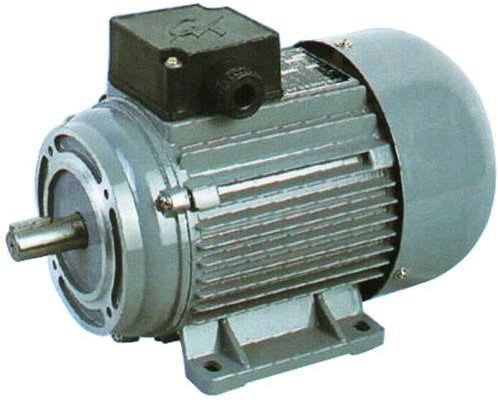
Small electric motors typically range from fractional horsepower to a few horsepower and are used in applications such as conveyors, pumps, fans, and HVAC equipment. Despite their size, they operate under demanding conditions and can suffer from mechanical wear, electrical faults, and environmental effects. Familiarity with their basic components-stator, rotor, bearings, windings, and commutator (in DC motors)-helps in performing targeted maintenance.
Visual Inspection and Cleaning
A thorough visual inspection is the first preventive step. Look for signs of dirt, dust accumulation, corrosion, or moisture ingress, which can degrade motor insulation and mechanical parts. For example, dust buildup on cooling fins can cause overheating. Wipe the motor exterior with a dry cloth and use compressed air carefully to clean ventilation openings without pushing debris further inside. Inspect mounting bolts and hardware to ensure the motor is securely fixed, avoiding vibration-related damage.
Checking Electrical Connections
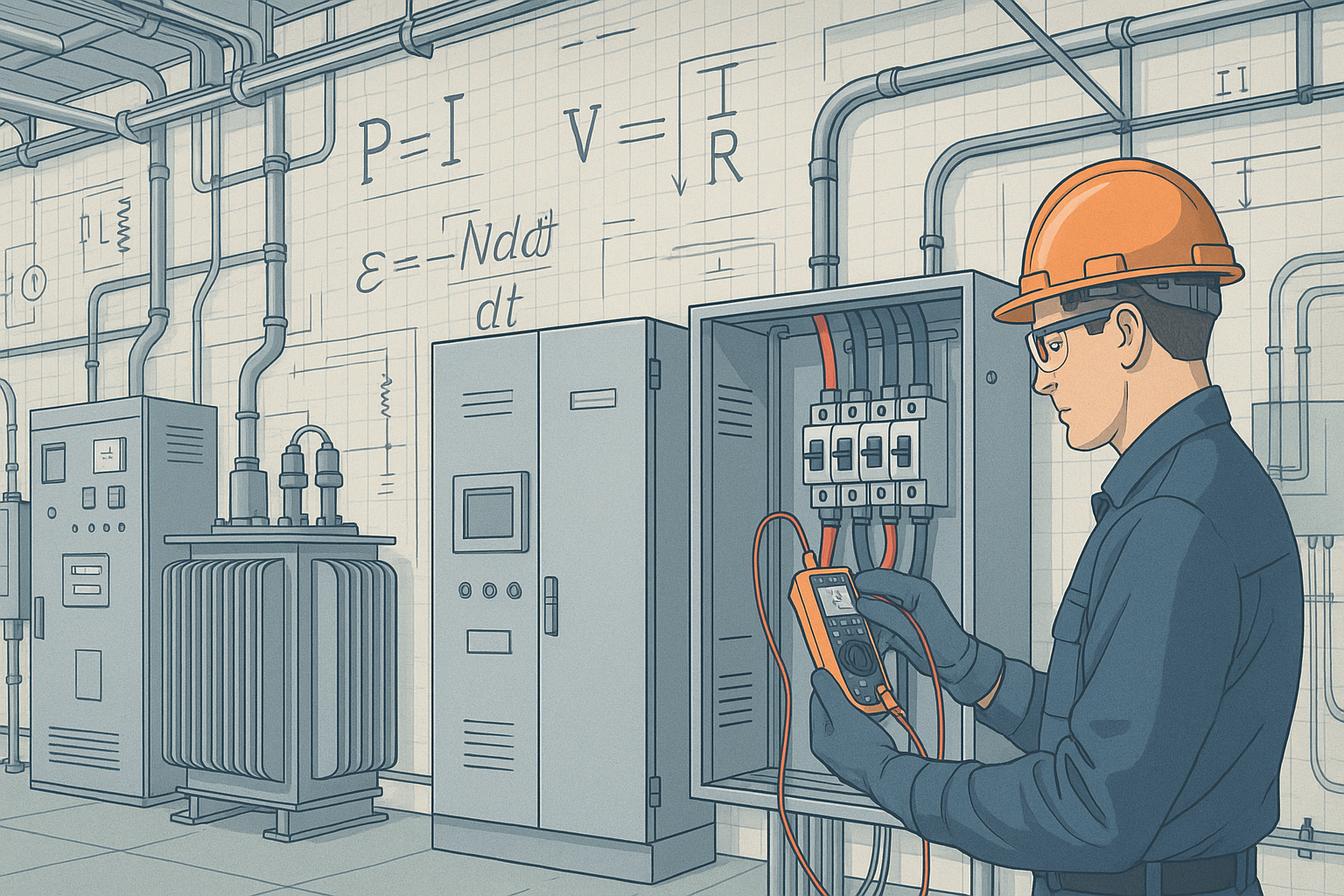
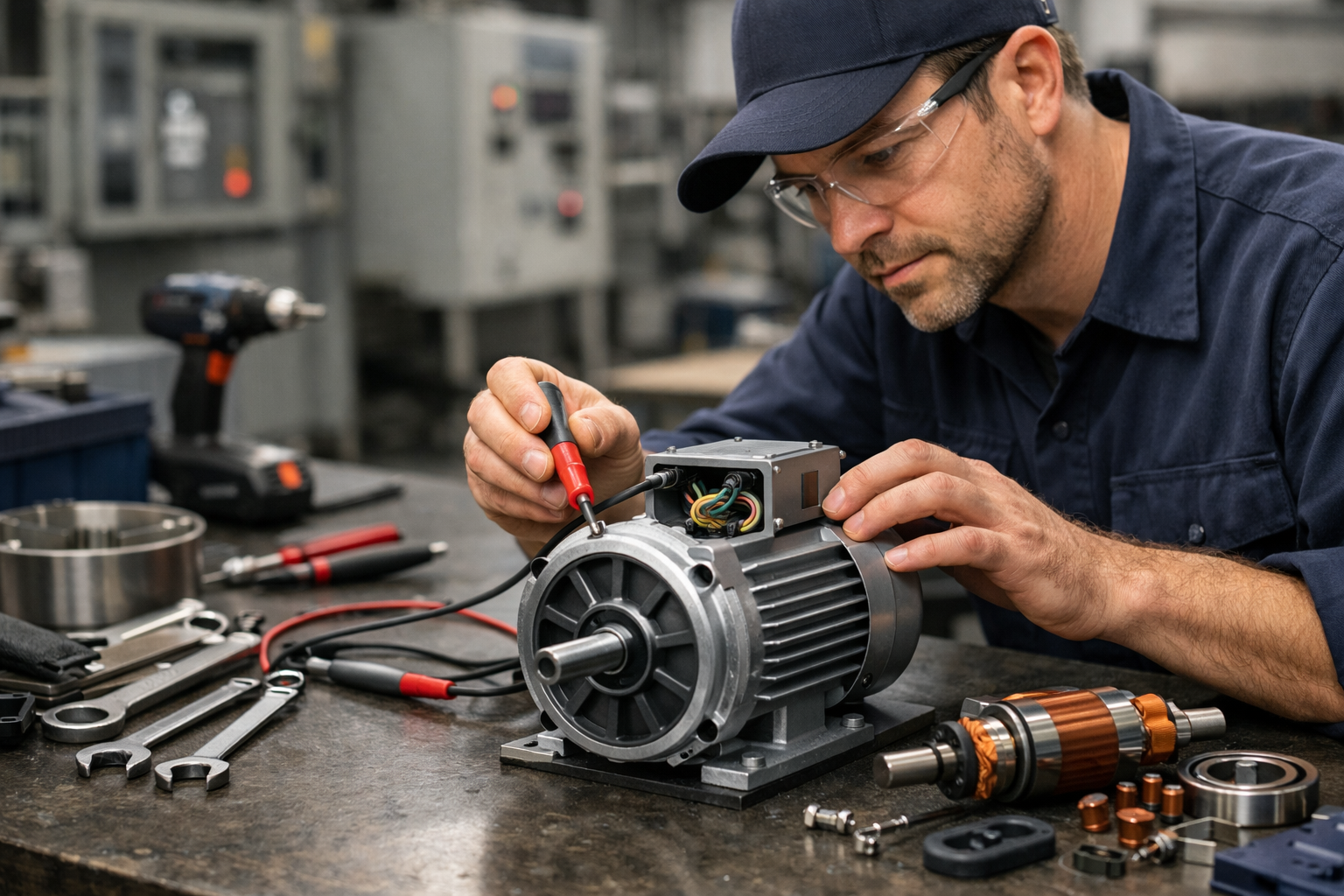
Loose or corroded electrical connections can cause voltage drops and overheating. Verify all terminals, connectors, and wiring for tightness and corrosion. Use a torque screwdriver or wrench according to manufacturer specifications to avoid over- or under-tightening. For motors with terminal boxes, ensure the covers are sealed properly to prevent moisture entry. Periodic insulation resistance testing with a megohmmeter can detect winding deterioration before catastrophic failure.
Bearing Inspection and Lubrication
Bearings are critical for smooth motor operation and often the most common failure point. Listen for unusual noises such as grinding or squealing during operation, which may indicate bearing wear. Check for excessive shaft play or wobble by gently moving the shaft by hand. Many small motors have sealed bearings that do not require lubrication; however, some designs include grease fittings. Follow the manufacturer’s recommended lubrication schedule and use the correct grease type to avoid contamination or over-lubrication.
Monitoring Motor Temperature
Excessive heat accelerates insulation breakdown and bearing wear. Use an infrared thermometer or thermal imaging camera to monitor motor surface temperature during operation. Compare readings to the motor’s rated temperature limits. For example, a motor running consistently 20 degrees Fahrenheit above rated temperature may need improved ventilation or load reduction. Ensure cooling fans are intact and free of obstructions.
Vibration Analysis
Vibration can indicate imbalance, misalignment, or bearing defects. While sophisticated vibration analysis tools are more common in large motors, simple handheld vibration meters can be useful for small motors as well. Regular vibration checks help detect developing issues early. For instance, a conveyor motor with increasing vibration amplitude may have a worn bearing or misaligned pulley requiring attention.
Checking Motor Alignment
Proper alignment between the motor shaft and driven equipment reduces stress on bearings and couplings. Misalignment can cause premature wear and energy loss. Use dial indicators or laser alignment tools when possible. For example, a pump motor with misaligned coupling will often exhibit increased vibration and heat. Regularly scheduled alignment verification during preventive maintenance helps maintain optimal performance.
Practical Example: HVAC Fan Motor Maintenance
Consider a small motor driving an HVAC fan. During preventive checks, the technician notices dust clogging the fan blades and cooling vents, along with elevated motor temperature readings. Cleaning the blades and vents reduces motor temperature by improving airflow. The technician also tightens electrical connections and applies lubrication to accessible bearings, preventing unexpected failures during peak cooling season.
Documenting Maintenance Activities
Keeping detailed records of all inspections, test results, and maintenance actions is crucial. Documentation helps track motor condition over time and informs future maintenance planning. Include dates, observed issues, corrective actions, and any replacement parts used. This practice supports warranty claims and compliance with facility maintenance standards.
Safety Considerations
Always follow lockout/tagout procedures before performing any maintenance to avoid electrical hazards or accidental startup. Use personal protective equipment appropriate for electrical work. Refer to motor manufacturer manuals and comply with local electrical and safety codes. When in doubt, consult qualified electrical professionals to ensure safe and effective maintenance.
Regular preventive maintenance checks extend the operational life of small electric motors, minimize downtime, and improve overall system reliability. By combining visual inspections, electrical testing, mechanical evaluations, and proper documentation, engineers and maintenance technicians can proactively address motor issues before they escalate. Incorporating these checks into routine maintenance schedules ensures that small motors continue to perform efficiently and safely in their commercial applications.