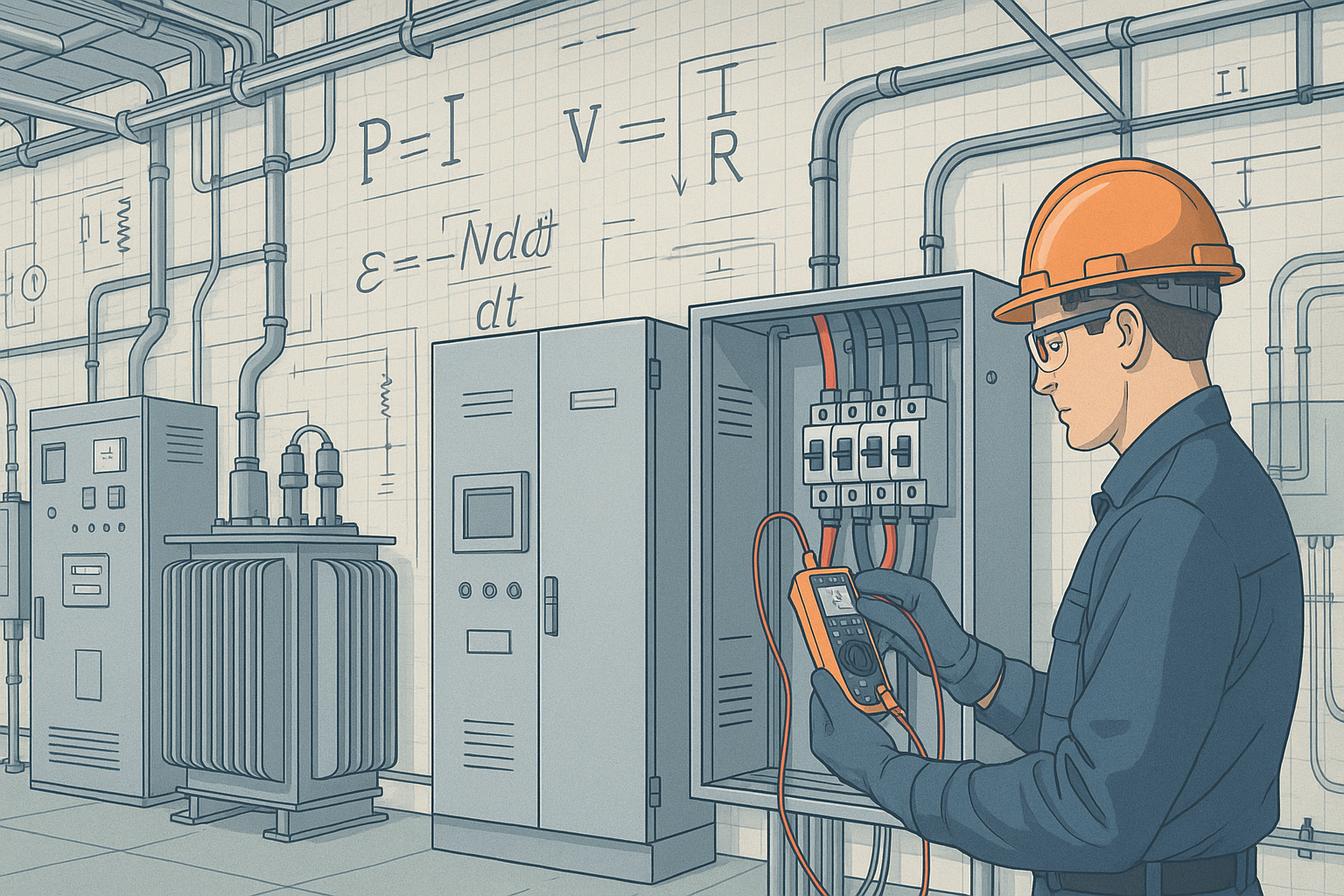
This article introduces key lockout tagout concepts essential for beginners to ensure safety during equipment maintenance and prevent accidental energization in industrial and commercial settings.
Understanding Lockout Tagout and Its Importance
Lockout Tagout (LOTO) is a critical safety procedure used in various industries to prevent accidental energization of machinery or equipment during maintenance or repair. The purpose is to protect workers from hazards such as electric shock, mechanical injury, or chemical exposure by ensuring equipment is completely de-energized and cannot be restarted until the work is safely completed. For beginners, understanding the basic concepts of LOTO is essential to promote workplace safety and compliance with regulatory standards.
Key Terms and Definitions
Before diving into procedures, it’s important to understand some basic terminology:
- Lockout: Physically isolating the energy source by applying a lock to a switch, valve, or other energy-isolating device.
- Tagout: Placing a warning tag on the energy-isolating device to indicate that the equipment must not be operated.
- Energy Isolating Device: A mechanical device that physically prevents the transmission or release of energy, such as circuit breakers, disconnect switches, or valves.
- Authorized Employee: A person trained and authorized to perform lockout tagout procedures. These terms form the foundation of the LOTO process and help ensure clear communication and effective hazard control.
Types of Energy Sources to Consider
Equipment can store or be powered by many types of energy. Identifying and controlling all energy sources is vital during LOTO. Common energy types include:
- Electrical energy
- Mechanical energy (e.g., springs, rotating parts)
- Hydraulic energy
- Pneumatic energy (compressed air)
- Thermal energy (steam, hot fluids)
- Chemical energy Failing to isolate even one energy source can result in dangerous unexpected equipment startup or release of stored energy.
The Lockout Tagout Procedure Basics
The standard LOTO procedure involves several key steps:
- Preparation: Identify the equipment and all energy sources.
- Notification: Inform affected employees that lockout is about to take place.
- Shutdown: Turn off the equipment using normal stopping procedures.
- Isolation: Physically isolate energy sources by applying locks and tags.
- Release of Stored Energy: Safely release or block any stored energy.
- Verification: Confirm the equipment is de-energized and cannot be started.
- Perform Maintenance: Conduct the necessary work.
- Restoration: Remove locks and tags only after ensuring all personnel are clear and equipment is ready to be safely restarted. Adhering strictly to these steps prevents accidents and ensures regulatory compliance.
The Role of Locks and Tags
Locks provide a physical barrier that prevents equipment operation by unauthorized personnel. They are usually standardized, durable, and uniquely keyed to avoid accidental removal. Tags serve as warning devices that indicate maintenance is in progress and the equipment must not be operated. They include information such as the name of the person who applied the tag and the date. While locks provide security, tags provide essential communication. Both components work together to enhance safety.
Training and Authorization
Only trained and authorized employees should perform lockout tagout procedures. Training should cover hazard recognition, proper use of devices, procedural steps, and emergency response. Regular refresher training is important to keep workers updated on safety practices and regulatory changes. Supervisors must ensure that only qualified personnel handle LOTO to prevent accidents caused by improper procedures.
Common Challenges and Best Practices
Implementing LOTO procedures can face challenges such as incomplete energy source identification, failure to communicate effectively, or improper device application. Best practices to address these include:
- Conducting thorough hazard assessments
- Using standardized lockout devices and tags
- Maintaining clear written procedures
- Encouraging open communication among maintenance teams
- Performing periodic audits to ensure compliance Following these practices helps create a strong safety culture and reduces risks.
When to Consult Professionals and Codes
Lockout tagout involves complex safety considerations, especially with electrical systems, heavy machinery, or hazardous materials. Beginners should recognize when to seek assistance from qualified professionals such as electricians, safety engineers, or equipment manufacturers. Additionally, always consult relevant local, state, and federal regulations, including OSHA standards, as well as manufacturer instructions. These resources provide authoritative guidance to ensure safe and compliant LOTO application.
Conclusion: Staying Safe with Lockout Tagout
Lockout tagout is a fundamental safety practice that prevents injuries and fatalities during equipment maintenance. Beginners must understand the principles of energy isolation, proper use of locks and tags, and the importance of training and communication. By following established procedures and consulting professionals when necessary, workers can maintain a safe environment and protect themselves and their coworkers from hazardous energy releases. Safety-conscious engineering practices start with knowledge and careful application of LOTO principles.