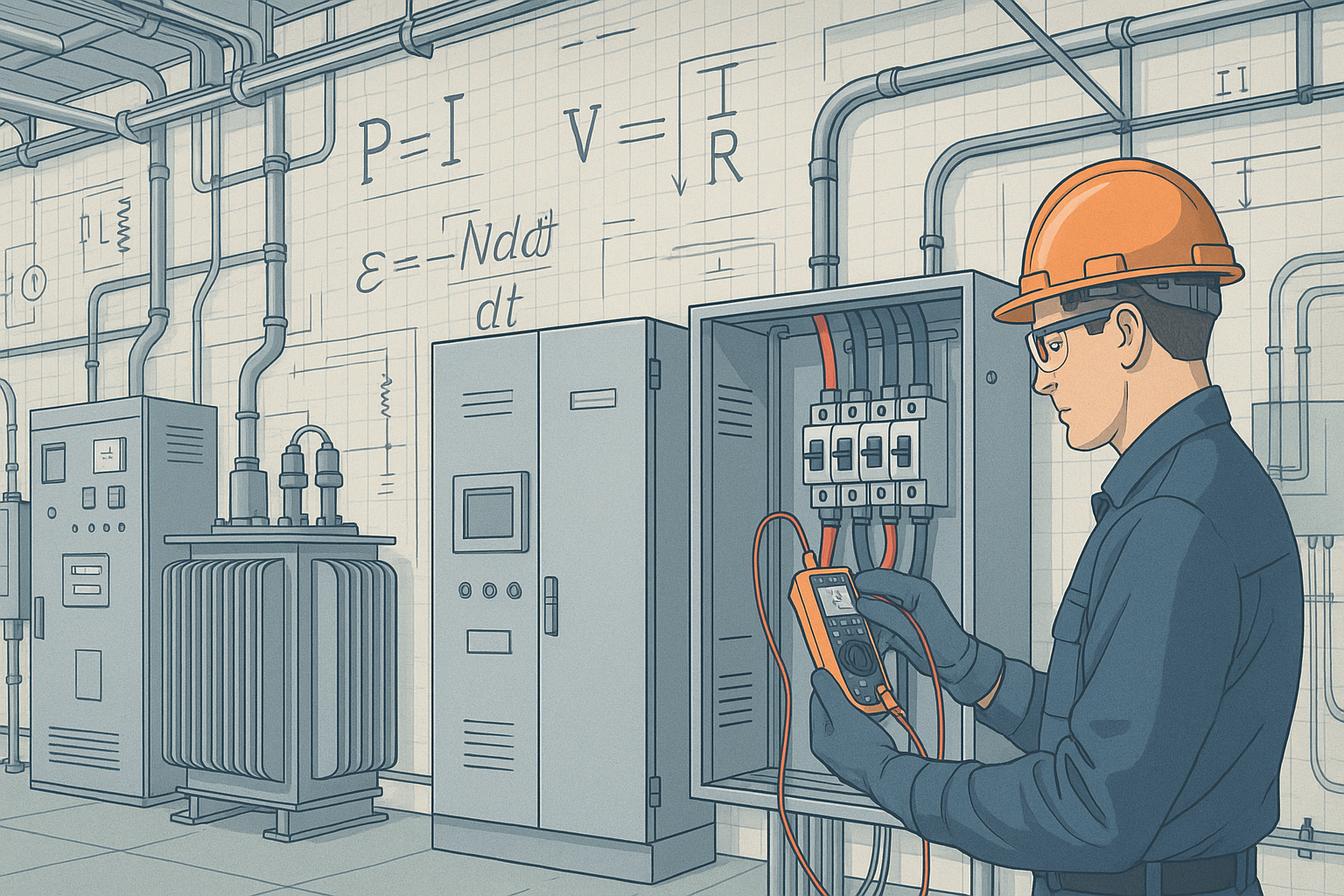
Consistent and clear electrical panel labeling improves troubleshooting accuracy and safety by providing essential information to electricians and maintenance personnel during inspections and repairs.
Why Proper Electrical Panel Labeling Matters
Electrical panels are central hubs in commercial and industrial buildings, controlling power distribution for various systems. Proper labeling ensures that anyone working with the panel can quickly identify circuits, reducing the risk of accidental energizing or de-energizing. Clear labeling also speeds up troubleshooting, minimizing downtime and improving safety for electricians and maintenance staff.
Use Clear, Durable Labels
Labels should be legible, permanent, and resistant to environmental factors such as moisture, heat, and chemicals. Laminated or engraved labels are preferred over handwritten tags, which can fade or fall off. For example, engraved plastic labels with black text on a white background are commonly used because they maintain readability over time. Avoid abbreviations or vague terms; instead, use precise descriptions like “Lighting - Conference Room 3” rather than just “Light 3.”
Standardize Labeling Conventions
Adopting a standardized labeling system across all panels in a facility helps maintain consistency and reduces confusion. This can include:
- Sequential numbering of breakers or circuits
- Prefixes indicating the panel or area (e.g., “P1-” for Panel 1)
- Clear identification of circuit function (e.g., “HVAC Unit 2 Motor”)
For instance, a label such as “P2-CB5 - East Wing HVAC” immediately informs the technician of the panel number, circuit breaker, and the load served.
Include Voltage and Phase Information
Including voltage ratings and phase information on labels can prevent dangerous mistakes. For example, labeling a circuit as “208V 3-Phase Compressor” alerts technicians to the specific electrical characteristics they will encounter, influencing the choice of testing equipment and safety precautions.
Update Labels Regularly
As building systems evolve or circuits are added, removed, or repurposed, labels must be updated promptly to reflect changes. Outdated labels can mislead technicians, potentially causing unsafe working conditions. For example, if a circuit previously powering lighting is rerouted to a new HVAC unit, the label should be revised accordingly.
Incorporate Panel Schedules
A panel schedule-a detailed chart listing each circuit, its breaker number, and corresponding load-should be affixed inside or near the panel door. This schedule serves as a quick reference during troubleshooting and maintenance. It should match the physical labels exactly. For example, a panel schedule might show:
| Breaker | Circuit Description | Load Type |
|---|---|---|
| 1 | Main Entrance Lighting | Lighting |
| 2 | HVAC Unit 1 Compressor | Motor |
| 3 | Emergency Exit Signs | Lighting |
Use Color Coding for Critical Circuits
Color coding labels or breaker handles can highlight critical or high-risk circuits, such as emergency power or life safety systems. For example, red labels or handles for emergency circuits immediately signal their importance. This visual cue helps technicians prioritize safety and understand circuit function at a glance.
Employ Wire and Terminal Identification
Labeling should extend beyond the panel breakers to include wires and terminals connected to the circuits. Using numbered or color-coded wire markers helps trace circuits more efficiently and safely. For example, a wire connected to breaker 4 might have a “P1-4” tag matching the panel and breaker number.
Document Labeling Practices
Maintaining documentation of labeling conventions, panel schedules, and updates in a centralized facility management system ensures continuity. When new personnel or contractors are involved, they can quickly familiarize themselves with the labeling system. This reduces errors during troubleshooting and maintenance.
Consult Codes and Qualified Professionals
Always comply with local electrical codes and standards, such as the National Electrical Code (NEC), which provide guidelines for labeling requirements. Complex or high-risk systems should be handled by qualified electricians who understand proper labeling practices and safety protocols.
Practical Example: Troubleshooting a Faulty HVAC Circuit
Imagine a technician tasked with diagnosing a non-functioning HVAC unit in a commercial building. Thanks to clear labeling, the technician quickly locates the appropriate breaker labeled “P3-CB7 - HVAC Unit 5 Compressor 208V 3-Phase.” The panel schedule confirms the circuit details. The technician safely de-energizes the circuit, knowing exactly what the breaker controls, then proceeds with testing. Wire markers on the compressor’s terminals match the panel labels, making tracing easier and reducing troubleshooting time.
Summary
Good electrical panel labeling habits create a safer and more efficient environment for troubleshooting and maintenance. By using clear, durable labels, standardizing conventions, updating regularly, and incorporating comprehensive documentation, electrical professionals can reduce errors and enhance safety. Remember to always follow local codes and consult qualified electricians when working on electrical systems.